

What Actually Causes Bad Breath?
Bad breath can arise from several sources, but intra-oral halitosis often involves microbial activity inside the mouth. The supplied 2024 review explains that anaerobic bacteria can generate volatile sulfur compounds, including hydrogen sulfide and methyl mercaptan, during the breakdown of sulfur-containing amino acids. It also discusses bacterial groups such as Prevotella, Bacteroides and Actinomyces in these pathways.
This matters because short-term odor masking and broader oral-health support are not the same decision. A mint may change how the mouth feels for a short period, while a broader oral-care strategy looks at plaque accumulation, tongue coating, saliva and dryness, diet, hygiene and persistent symptoms that may need professional assessment.
Research basis: Rajasekaran JJ et al. Oral Microbiome: A Review of Its Impact on Oral and Systemic Health. Microorganisms. 2024;12:1797.
Is Bad Breath Always a Microbiome Problem?
No. Oral microbial activity is one important factor, but bad breath can have multiple contributing causes. Diet, hygiene, lifestyle and medical factors can influence the oral environment. Occasional odor may respond to normal hygiene, hydration and dietary adjustments, while persistent or unexplained odor deserves closer attention to the underlying cause.
Why Tongue, Plaque and Saliva Matter
The tongue and dental surfaces create environments where microorganisms and organic material can accumulate. Sulfur-containing substrates from saliva, oral mucosa and epithelial debris can participate in bacterial metabolic pathways that generate odor-associated compounds.
- Brush thoroughly.
- Clean between teeth.
- Clean the tongue where appropriate.
- Maintain hydration.
- Limit prolonged plaque accumulation.
- Pay attention to persistent dry mouth.
A supplement can sit around these measures, not replace them.
Does Xylitol Matter for Fresh-Breath Support?
Xylitol is relevant to oral-health research, but its role should be described accurately. The supplied review discusses xylitol as part of personalized oral-care approaches and reports associations between regular xylitol use and lower S. mutans counts, together with potentially reduced plaque adherence.
The correct buyer question is: Does Dentolyn contain an ingredient with relevant oral-health evidence? For xylitol, the reviewed formula says yes. The stronger question, Does that prove Dentolyn improves bad breath?, has a different answer: no.
Where Dentolyn Fits
Dentolyn can be evaluated as a daily oral-health supplement for users who already understand that breath freshness depends on a wider oral-care environment. A sensible sequence is to maintain brushing and interdental cleaning, address tongue coating and hydration where relevant, consider diet and recurring oral-health factors, review the product formula, check whether ingredient evidence is relevant, and then compare price, quantity, shipping and guarantee.
What Should You Check on the Label?
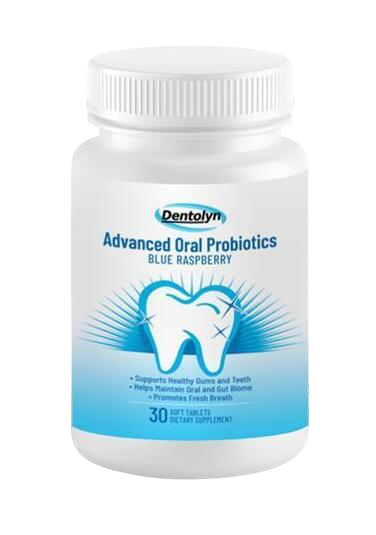
The currently reviewed Dentolyn formulation includes Vitamin C, Vitamin B6, iodine, xylitol, chlorella powder, clinoptilolite zeolite powder and magnesium stearate. For this page, xylitol is the most relevant ingredient to discuss in depth. The other ingredients should remain formula facts unless a particular claim is supported by suitable evidence.
Evidence hierarchy
- Level 1: finished-product Dentolyn evidence, used only if directly established.
- Level 2: ingredient evidence, such as xylitol research.
- Level 3: category evidence, such as oral microbiome or halitosis research.
- Level 4: merchant positioning, clearly identified as seller information.
How to Compare a Fresh-Breath Supplement
| Factor | What to ask |
|---|---|
| Goal | Temporary freshness or broader oral-health support? |
| Formula | Are ingredients disclosed clearly? |
| Xylitol | Is it present, and is the amount known? |
| Evidence | Does the evidence apply to the ingredient, category or finished product? |
| Routine fit | Can it be used consistently? |
| Symptoms | Is there a persistent issue needing assessment? |
| Value | What are total cost, shipping and guarantee terms? |
| Claims | Are product promises stronger than the evidence? |
Who May Be a Better Fit?
Dentolyn may be worth investigating further for users who already maintain a regular oral-hygiene routine, want an additional daily oral-health supplement, are interested in a xylitol-containing formulation, understand that ingredient research is not the same as finished-product proof, and want to compare commercial package options before buying.
Who may be a weaker fit?
The product is a weaker fit for anyone expecting a cure for persistent bad breath, seeking treatment for diagnosed oral disease, wanting a substitute for brushing or flossing, or relying on supplementation despite ongoing bleeding, swelling, pain or unexplained oral symptoms.
When Should Persistent Bad Breath Be Checked?
Persistent or unexplained bad breath should not be managed only by adding a supplement. Appropriate professional assessment may be warranted when bad breath persists despite reasonable oral hygiene, occurs with bleeding gums, occurs with pain or swelling, accompanies pronounced dry mouth, occurs with unexplained lesions, or repeatedly returns without an obvious dietary cause.
How Dentolyn Should Be Compared Commercially
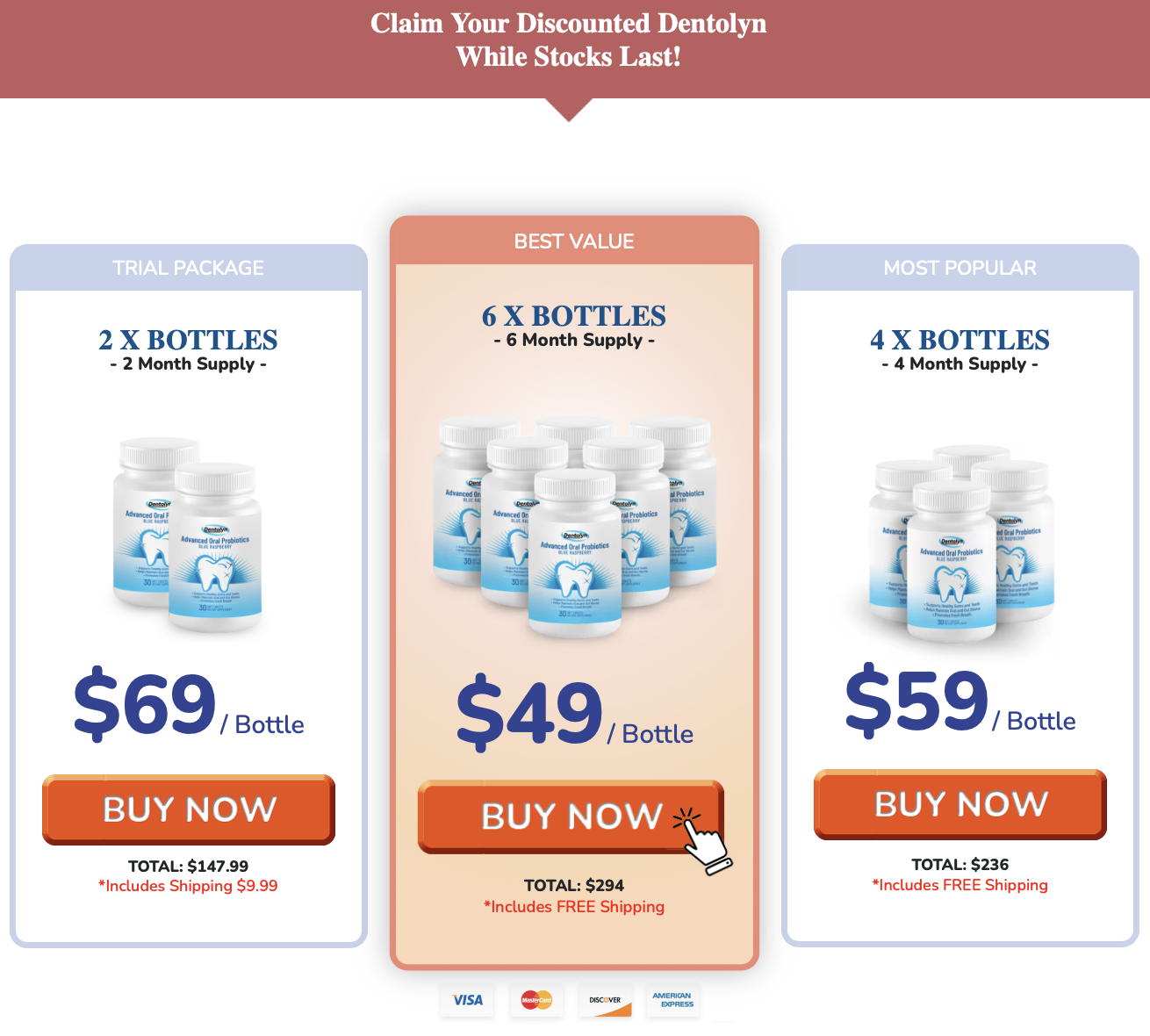
Users who decide that Dentolyn may fit their routine should compare bottle quantity, price per bottle, total package cost, shipping, guarantee and the current seller route. These are freshness-sensitive facts and should be reverified immediately before deployment.
Compare Dentolyn price →
Compare packages →
Review the guarantee →
Where to buy Dentolyn →
Frequently Asked Questions
Can oral bacteria contribute to bad breath?
Yes. Research on intra-oral halitosis describes microbial production of volatile sulfur compounds as one important mechanism in oral malodor.
Does Dentolyn cure bad breath?
No. This page presents Dentolyn only as a complementary oral-health supplement and does not make a treatment or cure claim for halitosis.
Does Dentolyn contain xylitol?
The currently reviewed formulation lists xylitol. The current merchant label should be checked again before purchase.
Does xylitol research prove Dentolyn works for fresh breath?
No. Xylitol research is ingredient-level evidence and does not by itself establish finished-product efficacy for Dentolyn.
Can Dentolyn replace brushing and flossing?
No. Brushing, interdental cleaning and appropriate dental care remain foundational.
When should persistent bad breath be checked professionally?
Persistent, unexplained bad breath or odor that occurs with bleeding, swelling, pain, pronounced dry mouth or other ongoing oral symptoms may warrant dental or medical assessment.
References
Rajasekaran JJ, Krishnamurthy HK, Bosco J, et al. Oral Microbiome: A Review of Its Impact on Oral and Systemic Health. Microorganisms. 2024;12:1797. DOI.