What Does “Mouth Bacteria Balance” Actually Mean?
A healthy mouth is not bacteria-free. The oral cavity contains diverse microorganisms that interact with one another and with the local environment. The practical goal is to support conditions compatible with normal oral function, not to eliminate all microbes.
Normal microbial community
Bacteria are part of the normal oral ecosystem alongside fungi, archaea and viruses.
Environment shapes ecology
Hygiene, diet, saliva, lifestyle, medications and health conditions can influence the oral environment.
Product claims need proof
General microbiome science does not prove that a specific supplement restores or balances mouth bacteria.
Balance Is Different From Eradication
The supplied oral-microbiome review describes the mouth as a complex microbial community that exists partly in biofilm form and contributes to oral homeostasis. That makes “kill all bacteria” an inaccurate model for normal oral health.
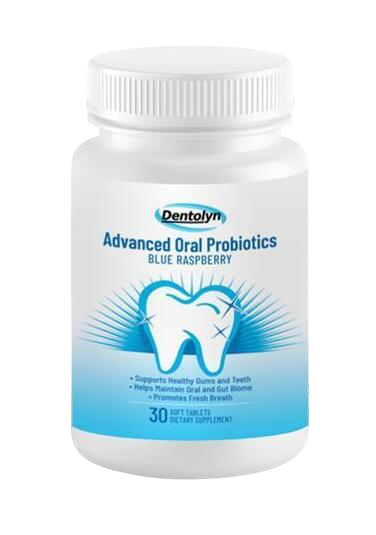
Compare Dentolyn as an Oral-Health Supplement
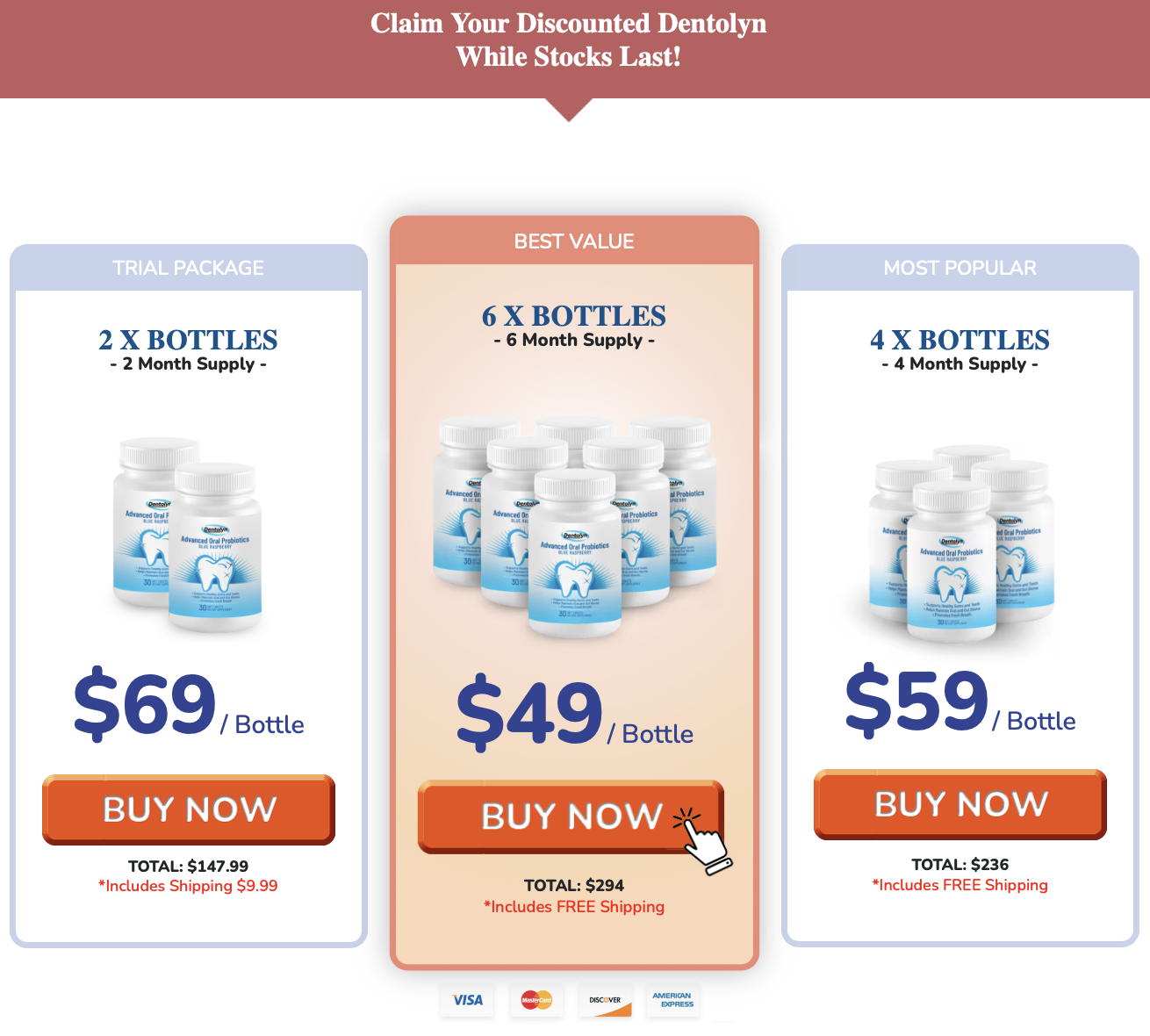
Before buying, compare the actual formula, evidence level, intended use, package value and current buyer-protection terms. Do not assume that microbiome language proves a finished-product balancing effect.
What Can Shift the Oral Microbial Environment?
Research describes oral microbial ecology as responsive to several interacting influences. Poor oral hygiene can encourage plaque accumulation, while diet, lifestyle, medications and medical conditions may also alter the oral environment. These factors matter because bacterial communities do not operate independently of the conditions around them.
| Factor | Why it matters |
|---|---|
| Brushing and interdental cleaning | Help disrupt plaque and reduce conditions that favor unwanted accumulation. |
| Diet | Repeated fermentable-carbohydrate exposure can favor acid-producing activity. |
| Saliva and hydration | The oral environment depends partly on normal saliva conditions. |
| Lifestyle | Smoking and alcohol can influence oral microbial composition. |
| Medications and health conditions | Some can alter saliva, immune responses or microbial ecology. |
What Does Dysbiosis Mean?
Oral dysbiosis refers to a disruption or imbalance in the composition and functioning of the oral microbial community. The supplied review discusses poor hygiene, diet, medications, medical conditions and lifestyle as possible influences and associates dysbiosis with several oral-health problems.
Where Dentolyn May Fit
Dentolyn can be evaluated as an optional oral-health supplement after the fundamentals are already in place. A useful sequence is to maintain hygiene, review diet and lifestyle, address persistent symptoms, examine the formula, identify relevant ingredient evidence and then compare commercial terms.
Is Dentolyn a Probiotic?
The currently reviewed Dentolyn formula does not establish named live probiotic strains. For that reason, this site does not independently classify Dentolyn as a probiotic. Research on named oral probiotic strains should not be transferred to Dentolyn without evidence that the same strains and relevant quantities are present.
What About Xylitol?
Xylitol is relevant at the ingredient level. The supplied review reports that regular use of xylitol-containing mints and gums has been associated with lower S. mutans counts and potentially reduced plaque adherence. That evidence supports examining xylitol as an oral-care ingredient, not claiming that Dentolyn itself rebalances mouth bacteria.
Explore the xylitol evidence and product-fit page →
Mouth-Bacteria Product Checklist
| Question | What to look for |
|---|---|
| What does “balance” mean? | Avoid vague claims that imply a sterile mouth or universal ideal flora. |
| Are live strains disclosed? | Required before independently treating a product as a probiotic. |
| Is the evidence product-specific? | Ingredient and category evidence should not be presented as finished-product proof. |
| Can the product remove plaque? | No supplement physically substitutes for brushing or interdental cleaning. |
| Are symptoms persistent? | Persistent symptoms may need dental or medical assessment. |
Who May Be a Better Fit?
Dentolyn may be worth investigating for users who already maintain routine oral hygiene, want an optional oral-health supplement, are interested in a xylitol-containing formula and understand the limits of microbiome claims.
Who May Be a Weaker Fit?
It is a weaker fit for anyone seeking a verified live-strain oral probiotic, expecting treatment for dysbiosis, assuming a supplement eliminates “bad bacteria,” or using supplementation instead of appropriate care for persistent symptoms.
Need More Evidence?
Deeper oral-health science
Use MPS for evidence on oral microbiome, plaque and safety.
Review the evidence →Dentolyn product fit
Use MenPS when the next question is how Dentolyn fits a particular oral-health goal.
Compare Dentolyn →Research-led microbiome explanation
Domain B owns the deeper science of oral microbiome health and dysbiosis.
Understand oral dysbiosis →When Supplementation Is Not Enough
Persistent bleeding, pain, swelling, loose teeth, unexplained lesions, prolonged bad breath or worsening symptoms should not be managed only through supplementation. Appropriate professional assessment may be warranted.
Compare Formula, Evidence and Current Package Value
Review the disclosed ingredients, evidence limits, bottle quantity, total cost, shipping and current guarantee before deciding.
Frequently Asked Questions
What does mouth bacteria balance mean?
It refers to a healthier oral environment in which microbial communities remain compatible with normal oral function. It does not mean eliminating all bacteria.
Is a bacteria-free mouth healthier?
No. The mouth normally contains diverse microbial communities, many of which are part of normal oral ecology.
What can disrupt the oral microbial environment?
Poor oral hygiene, diet, lifestyle factors, medications and health conditions can all influence oral microbial ecology.
Does Dentolyn balance mouth bacteria?
The currently reviewed evidence does not establish that finished-product claim.
Is Dentolyn an oral probiotic?
The currently reviewed formula does not establish named live probiotic strains, so this site does not independently classify Dentolyn as a probiotic.
Can a supplement remove plaque?
No. Plaque requires physical oral-hygiene measures and, where appropriate, professional care.
Does Dentolyn contain xylitol?
The currently reviewed formula lists xylitol. The current merchant label should be checked again before purchase.
When should oral symptoms be professionally assessed?
Persistent pain, bleeding, swelling, unexplained lesions, prolonged bad breath or worsening symptoms should be assessed appropriately rather than managed only with supplements.
References
Rajasekaran JJ, Krishnamurthy HK, Bosco J, et al. Oral Microbiome: A Review of Its Impact on Oral and Systemic Health. Microorganisms. 2024;12:1797. DOI.